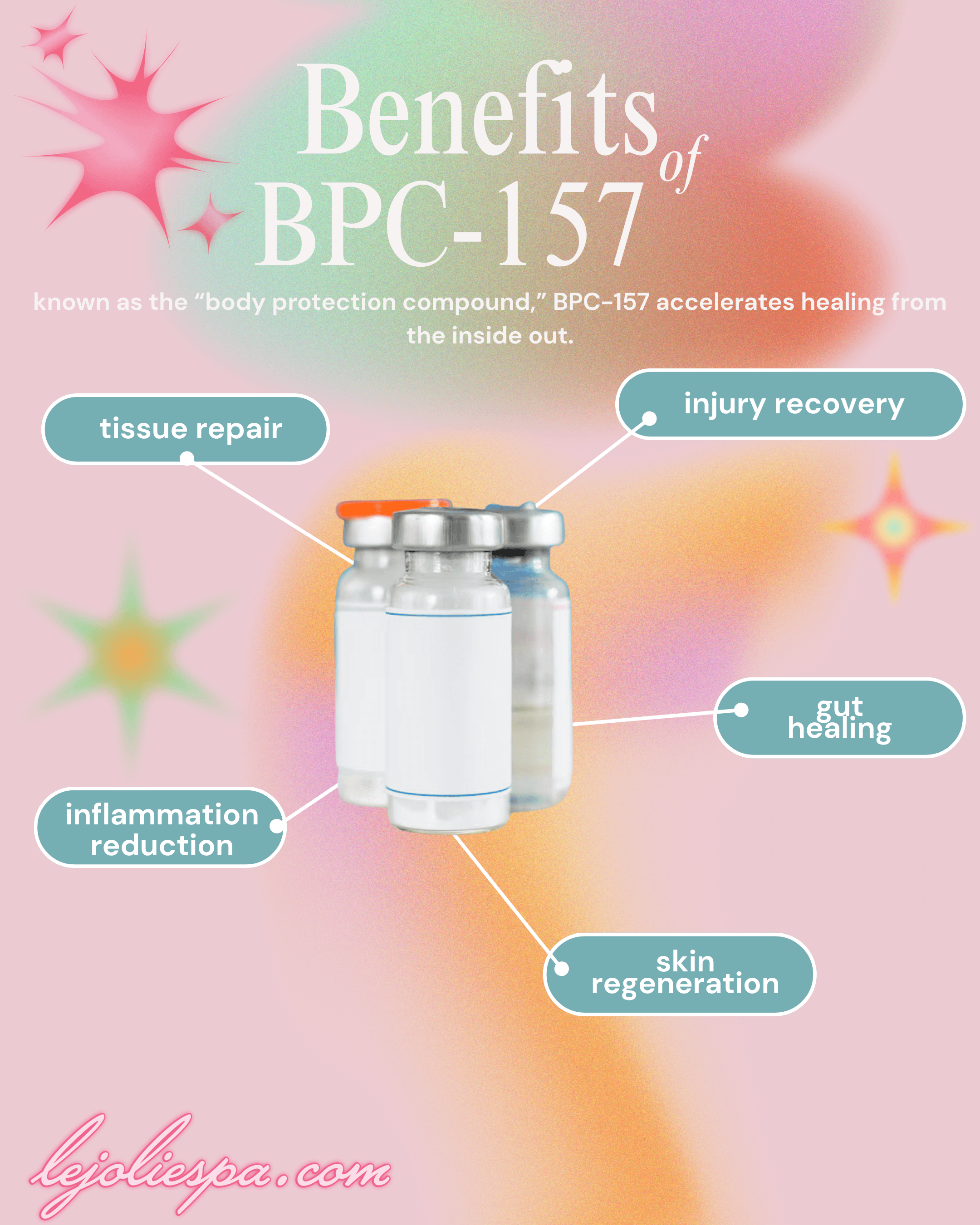
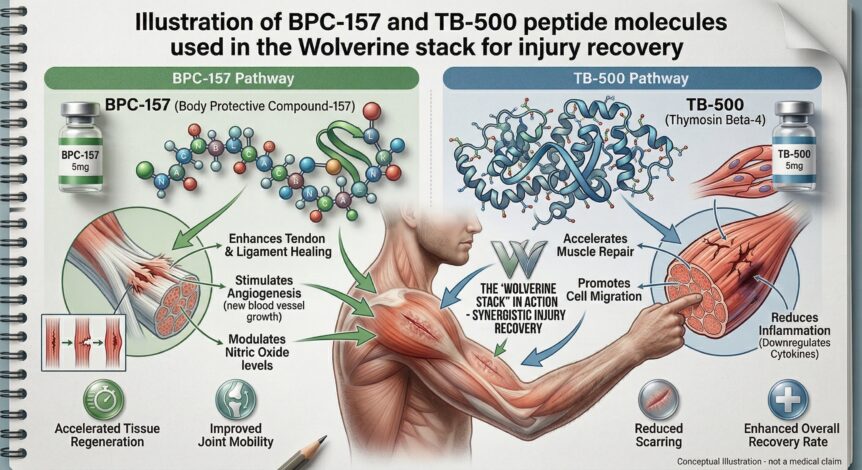
GLOW Blend Peptide Mechanistic Profile GLOW Blends research utility is defined by three complementary mechanistic domains: Cytoskeletal-Associated Pathways (Thymosin Beta-4 / TB-500) Supports studies of actin-binding interactions Enables investigation of cytoskeletal organization and cell-migration models Vascular- and Stress-Response Signaling (BPC-157) Used to explore endothelial-associated pathways Supports research into fibroblast-linked signaling and inflammation-related regulatory networks ECM-Associated & Metallopeptide Pathways (GHK-Cu) Frequently used in studies of matrix-regulation mechanisms Supports investigation of copper-dependent enzymatic activity and redox-associated signaling Multi-Component Pathway Modeling Allows examination of parallel structural, ECM-associated, and metallopeptide pathways Useful for studying coordinated signaling across cytoskeletal, matrix, and redox systems These mechanistic domains position GLOW Blend peptide as a multi-pathway research substrate for studying cytoskeletal biology , ECM-associated signaling , and copper-dependent molecular pathways
Hives, or raised itchy welts , can also appear
This might include the counteraction of various arrhythmias [66,67,68,69,70,71,72,73,74,75,76,77,78,80,81,82,102,103,105,106,122,123,154] and thromboses, even blood pressure disturbances (intracranial (superior sagittal sinus), portal and caval hypertension, and aortal hypotension [66,71,72,73,74,75,76,77,78,79,80,81,82], or hypertension (hyperkalemia, NOS-blockade) [67,105] that were attenuated/eliminated peripherally and centrally))
Rather than starting at 500mcg, consider beginning at 200-250mcg for the first week